Showing posts with label innovative. Show all posts

Tuesday, September 11, 2012

Powering Sustainability with the World’s First Bamboo Tender Introducing the LAMBOO Tender R1

A few weeks ago Lamboo announced the design of the world’s first tender incorporating the rapidly renewable resource of bamboo, the Lamboo® Tender R1. With the Monaco Yacht Show 2012 less than two weeks away Lamboo is providing additional details on the design for individuals involved in the maritime industry and those who will be attending the show and would like to discuss the project further.

The Lamboo® Tender R1 is a revolutionary design from Sigmund Yacht Design, a leading yacht and tender design firm which has chosen Lamboo materials not only for the sustainable attributes of bamboo but for its superior performance over traditional forms of hardwood. Also included in the design is a Steyr hybrid turbo diesel engine as well as state of the art navigation, electrical, and LED lighting systems.


“This showcase is a key example of both companies’ commitment to integration of environmentally responsible methods matched with innovative engineering of performance materials into the nautical market”
said Luke Schuette, Lamboo Founder/CEO.

The construction of the R1 is being carried out by Cockwells, a pioneer within yacht and tender fabrication specializing in advanced engineering and modern construction techniques.

Executives from all three companies will be in attendance at the 2012 Monaco show and will be available for discussion on the R1 and the integration of sustainable bamboo materials within the maritime industry.

(Read full release on PRWeb)


For questions regarding Lamboo, our products, or to schedule an interview please
visit our website at www.lamboo.us or contact us at info@lamboo.us 866-966-2999

“MAKING INNOVATIVE THINKING A STANDARD” – Lamboo Incorporated

Blog by: Dustin Dennison

Tuesday, September 4, 2012

In Africa’s Vanishing Forests, the Benefits of Bamboo

In the district of Asosa, the land is thick with bamboo. People plant it and manage the forests. They rely on its soil-grabbing roots to stabilize steep slopes and riverbanks, cutting erosion. They harvest it to burn for fuel, to make into charcoal sticks to sell to city dwellers and to build furniture.

Asosa is not in China, not even in Asia. It is a district in the west of Ethiopia, on the Sudanese border. To many people, bamboo means China. But it’s not just panda food — mountain gorillas in Rwanda also live on bamboo. About 4 percent of Africa’s forest cover is bamboo.

Soon it may be much more. Bamboo may provide a solution to a very serious problem: deforestation. In sub-Saharan Africa, 70 percent of the people cook their meals over wood fires. The very poorest cut down trees for cooking fuel; those slightly less poor buy charcoal made from wood in those same forests. Every year Africa loses forest cover equal to the size of Switzerland. Terence Sunderland, a senior scientist at the Indonesia-based Center for International Forestry Research, said that in southern Africa, even trees that can be used for fine carving, such as ebony and rosewood, are being cut down and made into charcoal.

Deforestation starts a vicious circle of drought and environmental decline. Burning wood releases the carbon stored inside. And deforestation accounts for at least a fifth of all carbon emissions globally. As tree cover vanishes, the land dries out and the soil erodes and becomes barren — a major reason for Ethiopia’s periodic famines.

Hundimo Dedere owns and manages a plantation of African highland bamboo in Southern
Ethiopia that was used as a model for modern bamboo cultivation and management training.
 
 How does bamboo improve on hardwood? Cut down a hardwood tree and it’s gone. It will take several decades for another to grow in its place; it can take a century for a forest to grow back after cutting. But bamboo is a grass, not a tree. Under the right conditions, it can grow a full meter a day — you can literally watch it grow. It is also fast maturing. A new bamboo plant is mature enough to harvest after three to six years, depending on the species. Most important, bamboo is renewable. Unlike hardwood trees, bamboo regrows after harvesting, just as grass regrows after cutting. After it is mature, bamboo can be harvested every single year for the life of the plant.

Bamboo has other advantages. Its roots grab onto soil and hold it fast. Plant bamboo on a steep slope or riverbank and it prevents mudslides and erosion. And bamboo is parsimonious with Africa’s most precious resource: water.

“In Africa you want everything,” said Dr. Chin Ong, a retired professor of environmental science at the University of Nottingham in England, who was formerly a senior scientist at the World Agroforestry Center in Nairobi. “You want firewood, you want to reduce erosion, to maintain the water supply, generate cash and employment. Bamboo comes the closest — it gives you the most things.”

In the last five years or so, Ong said, Ethiopia has realized that bamboo is a more profitable and greener solution. INBAR’s program is a four-year project financed by the European Commission and the Common Fund for Commodities, a United Nations organization. The technology comes from China. The project provides bamboo seedlings and trains people to manage bamboo plantations.

Because bamboo requires few nutrients, it can grow in soil inhospitable to other plants — not only does it thrive there, it can reclaim the land so other plants can thrive, too. Its roots leach heavy metals from the soil, hold the soil together and draw water closer to the surface. One example is a project in Allahabad, India, to reclaim land whose topsoil had been depleted by the brick industry. In 1996, an INBAR project planted the land with bamboo. Five years later, villagers could farm the land again. Dust storms — a local scourge — were greatly reduced. The bamboo also helped raise the water table by seven meters. In 2007, the project won the global Alcan Prize for Sustainability.

Bamboo's tensile strength makes it a good construction material, and it is also used for furniture, flooring and textiles, among other things.

In some ways, the challenge in Africa is not to introduce bamboo, but to persuade people and governments that it has commercial uses. “We’ve taken policymakers from Africa to China and India where bamboo used in everyday life — and there’s still very poor adoption,” said Ong.

(Read More)

(Excerpt of article by Tina Rosenberg of the New York Times. NOT AFFILIATED WITH LAMBOO) 
 
  
Lamboo strives to protect and promote this remarkable resource by working with various international organizations to ensure that the bamboo used in our products is sourced from responsibly managed bamboo plantations and nurseries. Additionally all bamboo used for Lamboo products come from a select list of bamboo species that is not used as a food source by wildlife. If you want to learn more about Lamboo’s commitment to sustainability, please contact us here.

For questions regarding Lamboo, our products, or to schedule an interview please
visit our website at www.lamboo.us or contact us at info@lamboo.us 866-966-2999

“MAKING INNOVATIVE THINKING A STANDARD” – Lamboo Incorporated

Blog by: Dustin Dennison


Thursday, August 16, 2012

The world's first bamboo tender. Introduced by Lamboo and Sigmund Yacht Design


Lamboo would like to introduce the world’s first tender designed with the rapidly renewable resource of bamboo, the Lamboo® Tender R1.

A tender is a small vessel designed to be lightweight and agile to ferry supplies and passengers between a larger vessel such as a yacht to other ships.

Sigmund Yacht Design
, leading yacht and tender design firm, chose Lamboo materials due to the superior strength and performance attributes of our laminated bamboo.

This showcase is a key example of both companies’ commitment to integration of environmentally responsible methods matched with innovative engineering of performance materials into the nautical market.

Stay connected for future updates on the release of the first R1 model by subscribing to this blog.


For questions regarding Lamboo, our products, or to schedule an interview please
visit our website at www.lamboo.us or contact us at info@lamboo.us 866-966-2999

"MAKING INNOVATIVE THINKING A STANDARD" - Lamboo Incorporated


Blog by: Dustin Dennison

Wednesday, August 15, 2012

Green Buildings: Boost Business and Neighborhoods

Seems the green building movement isn't just good for the planet, but for the pocketbook as well.


Developers and commercial building owners are increasingly using sustainable, environmentally friendly and energy efficient practices to lower costs, and the practice is spreading to include entire communities.

The U.S. Green Building Council just announced that the total footprint of commercial projects certified under its LEED (Leadership in Energy and Environmental Design) green building program surpassed 2 billion square feet. An additional 7 billion square feet is currently in the pipeline across the globe, the council reports.

Roof gardens, systems that recycle a building's heat and water, solar panels and drought-resistant landscaping have all been popular upgrades to older properties and built into new ones.

The trend has boosted business for a myriad of professions and industries. Architects and engineers who have embraced the green building movement are busy designing cutting-edge systems that save water, energy and money. Companies that manufacture or install solar collectors and other forms of sustainable energy have also benefitted from the tilt towards green.

The U.S. Green Building Council predicted that green building will support or create nearly 8 million jobs between 2009-2013 and contribute $554 billion to the U.S. gross domestic product.

Another by-product of the greening effort has been its attraction for tenants. Now there is a higher demand for healthier working space, and a recruiting edge for companies headquartered in green buildings. Improved indoor environmental quality in LEED-certified buildings has contributed to reductions in absenteeism and work hours affected by asthma, respiratory allergies, depression, and stress and to self-reported improvements in productivity, according to a study in the American Journal for Public Health.

The green development movement has expanded beyond individual buildings and has spread to include whole communities, with the U.S. Green Building Council's newest designation, LEED for Neighborhood Development.

The program, funded by a $500,000 grant from the Bank of America Charitable Foundation, aims to reduce suburban sprawl, promote smart growth principles and sustainability, and offers assistance to developers of affordable housing that employ green practices.

(Excerpt of article by Dave Winzelberg of Long Island Business News. NOT AFFILIATED WITH LAMBOO)


Recent trends show that government officials, city planners, architects and even consumers are becoming much more conscious of the environment and how rapid population growth combined with increased consumption is starting to take its toll. As finite building materials such as aluminum, steel and even slow growing timber resources become much more difficult to source and use on a large scale there will be opportunities for rapidly renewable materials to take their place. Bamboo with its extraordinary strength and performance attributes and its 6-8 year growth rate will be looked towards to carry much of the burden.

Lamboo Technologies through species selection, adhesive bonding, and lamination processes have been able to create the first structural grade bamboo material available to the world that is eligible for up to 4 LEED credits. In addition to LEED certification Lamboo has also orchestrated the inclusion of laminated veneer bamboo (LVB) into the 2012 Annual Book of ASTM Standards, one of the most recognizable and respected certification bodies in the world.

...

For questions regarding Lamboo, our products, or to schedule an interview please
visit our website at www.lamboo.us or contact us at info@lamboo.us 866-966-2999

"MAKING INNOVATIVE THINKING A STANDARD" - Lamboo Incorporated


Blog by: Dustin Dennison

Wednesday, August 8, 2012

ASTM 11a 5456 – Inclusion of Laminated Veneer Bamboo (LVB) as a Structural Composite Lumber Product


Founded in 1898, ASTM International has grown into a globally recognized leader in the development and delivery of international voluntary consensus standards. Today, over 12,500 ASTM standards are used around the world to improve product quality, enhance safety, facilitate market access and trade, and build consumer confidence.

The 2012 Annual Book of ASTM Standards has one historic addition under “Evaluation of Structural Composite Lumber Products” as it lists laminated veneer bamboo (LVB) as a certified product for structural applications under ASTM 11a 5456. The D07 orchestration of the inclusion of LVB in ASTM Standards has been a goal Lamboo Incorporated President Luke Schuette and Bruce Craig, Director of Certifications have been working towards since 2007.

Craig, with over 32 years of experience in the field of engineered wood product research and development specializes in product certifications, product development, and quality assurance for engineered wood products. Through his efforts and that of Schuette this inclusion marks the first bio-based structural material addition in around 30 years.

“Sustainability is becoming more and more of a focus in commercial construction. Now architects and engineers will be able to specify possibly the most ecologically friendly material to ever be integrated into the most respected international standard.” Said Luke Schuette, Architect, and Chairman of ASTM task group D07.02.03.


D5456 is a standard specification for evaluation of structural composite lumber products that is intended for use as an engineering material for a variety of end-use application. (ASTM standards, D5456) Schuette, chairman of the task group ASTM D07.02.03 along with Craig, a 22 year ASTM member, have drafted and revised standards to be set forth, for the future use of Bamboo as a structural application. This specification recognizes the complexity of structural glued products.

This certification is a major step forward in the transition from finite building materials such as aluminum to rapidly renewable resources in the construction and architectural industries. Bamboo has always been touted for its remarkable attributes to grow and replenish much more rapidly than traditional forms of timber (6-8 years) but this certification also showcases bamboo’s superior strength and performance. The necessity for transition from less renewable sources such as steel, aluminum, and even timber is a reality that the industry must come to terms with.


For questions regarding Lamboo, our products, or to schedule an interview please
visit our website at www.lamboo.us or contact us at info@lamboo.us 866-966-2999

"MAKING INNOVATIVE THINKING A STANDARD" - Lamboo Incorporated


Blog by: Dustin Dennison

Thursday, August 2, 2012

Boom in bamboo buildings has green benefits

GIRARDOT, Colombia — Forget steel and concrete. The building material of choice for the 21st century might just be bamboo.

This hollow-stemmed grass isn't just for flimsy tropical huts any more it's getting outsized attention in the world of serious architecture. From Hawaii to Vietnam, it's used to build everything from luxury homes and holiday resorts to churches and bridges.

Boosters call it "vegetal steel," with clear environmental appeal. Lighter than steel but five times stronger than concrete, bamboo is native to every continent except Europe and Antarctica.

And unlike slow-to-harvest timber, bamboo's woody stalks can shoot up several feet a day, absorbing four times as much world-warming carbon dioxide. "The relationship to weight and resistance is the best in the world. Anything built with steel, I can do in bamboo faster and just as cheaply," said Colombian architect Simon Velez.

(Excerpt of article by NBCNEWS.com. NOT AFFILIATED WITH LAMBOO)


As the first manufacturer of certified structural grade bamboo, Lamboo is preparing for the shift in sourcing of construction materials from traditional sources such as timber to more rapidly renewable sources to meet the growing demand the future undoubtedly will bring. Although bamboo grows remarkably fast and requires much less effort to replenish it is still a natural resource that we must protect and use wisely if it is to be implemented as a sustainable alternative to timber. Lamboo is working internationally to cultivate land management programs across the globe to ensure that bamboo as a resource will one day reach its potential and avoid misuse that can damage the ecosystems where this remarkable plant species grows.

To learn more about sustainability efforts Lamboo is involved in please visit our website here.

For additional information about Lamboo certifications including the recent inclusion of LVB (Laminated Veneer Bamboo) in the 2012 Annual Book of ASTM Standards sign up for updates using our "Follow By Email" box at the top right hand side of this page.

...

For questions regarding Lamboo, our products, or to schedule an interview please
visit our website at www.lamboo.us or contact us at info@lamboo.us 866-966-2999

"MAKING INNOVATIVE THINKING A STANDARD" - Lamboo Incorporated


Blog by: Dustin Dennison

Wednesday, July 25, 2012

Lamboo, Inc. partners with Max-R for sustainable bamboo product


(Wednesday, July 25, 2012) -- Lamboo, Inc. and Max-R announce their partnership in the integration of engineered bamboo into Max-R products. With the use of bamboo materials, Lamboo and Max-R are committed to ensure growth and development to the industry as a whole.

Max-R manufactures a variety of site-furnishings, but specializes in making waste recycling enclosures tailored for their customers' various needs and waste streams. Some of their products include modular foodservice stations, benches, planters and more.

"Using our products and seeing our products goes to show how different we are over the alternatives. The level of function they provide along with the way they look puts them on another playing field - they're really an aesthetic recycling solution. A lot of people are beginning to see our waste and recycling enclosures as furnishings not just trash bins. That's something that really sets us apart," says Mark Hammer, Executive Vice President of Max-R.


Max-R takes a bottom up, through and through approach to sustainability. They use environmentally preferable materials in their products, pure recycled plastic and now bamboo. Taking that a step further, its how they make those products - using 100% renewable energy as an EPA Green Power Partner. Max-R believes that choosing sustainable materials amount to an investment in our future and by investing in green power, they take that pledge further by affecting positive change in another way.

Lamboo, Inc. specializes in the manufacturing of engineered bamboo for structural, architectural and industrial applications worldwide. Bamboo as a lingo-cellulosic fiber can be processed into products with enormous advantages in mechanical properties. In its engineered form, laminated bamboo provides great durability, uniformity and strength.

Lamboo, Inc. CEO and Founder, Luke Schuette says, "We are pleased to see our premium products being utilized within Max-R's markets including; education, restaurants, governmental and park applications. Max-R's unique position within the market is very exciting to us and ensures Lamboo's growth. With this ongoing partnership we are excited to see our continued growth."

Lamboo recognizes the growing demand for superior products that deliver outstanding performance, while respecting our planet and our neighbors. Lamboo products are not only a superior option of traditional sources in terms of quality and performance, but are a highly sustainable option as well. Accordingly, Lamboo introduces uniformity, workability and the ease of integration that make it a great fit for any Max-R product.

Related articles:

Yahoo

JSOnline

All Voices

Digital Journal
 
Press Release provided by Vanessa Summers of Lamboo Incorporated.

For questions regarding Lamboo or our products please visit our
website at www.lamboo.us or contact us at info@lamboo.us

"MAKING INNOVATIVE THINKING A STANDARD" - Lamboo Incorporated


Blog by: Dustin Dennison

Friday, July 20, 2012

Wood architecture: as close as nature can get

In a new volume, Star-writer Philip Jodido captures the wondrous world of wood architecture. See what he found from Tierra del Fuego to North Cape, from Japan to Germany.


Wood is renewable and sustainable, solid and attractive. Wood architecture is just that - and so much more dazzling than ever thought. Woods is the material of the moment for contemporary architecture.


In a new volume readers are now able to get a glimpse of the most exciting and dynamic new uses of wood in architecture from all over the world. Like earthen architecture, the use of wood is almost as ancient as building itself. The columns of Greek temples are stylized trees. Today’s wooden buildings do all kinds of surprising things, and most of all, they are as “green” as they come.

(Excerpt of article by Philip Jodidio, of World's Luxury Guide. NOT AFFILIATED WITH LAMBOO)


Timber is rapidly being recognized for its potential as a great building material in a culture where designers are looking to other alternatives than the non-renewable resources traditionally used such as steel or aluminum. It only makes sense to start using options that we can replenish over time rather than using a finite resource; however, effective in terms of application and cost it ultimately may be. Many species of timber have attributes that make it ideal for construction and even though it is renewable many of these species take 25-50 years to reach maturity and require expensive and damaging replanting, threatening many weakened ecosystems. As we have been reporting bamboo is increasingly being recognized and used in many applications where timber has in the past providing remarkable strength, performance, and stability far exceeding anything we have witnessed with natural materials (in addition to having a growth rate of 6-8 years). Testing and forecasting by experts has led to the coining of the term "the next super material" due to Bamboo's amazing attributes and resiliency.

Lamboo is working to make these predictions come true by manufacturing the world's first certified structural grade bamboo component. Through species selection, patented adhesives, and lamination processes Lamboo is able to create bamboo panels and components that may appear very similar to traditional lumber on the outside but far exceed its performance in nearly every aspect.

For more information about Lamboo attributes please visit our Resource Library, or check out our certifications.

Lamboo interior grade panels

For questions regarding Lamboo, our products, or to schedule an interview please
visit our website at www.lamboo.us or contact us at info@lamboo.us 866-966-2999

"MAKING INNOVATIVE THINKING A STANDARD" - Lamboo Incorporated


Blog by: Dustin Dennison

Wednesday, July 18, 2012

C.T. Windows partners with Lamboo, Inc. to create innovative, bamboo curtain wall system


WEDNESDAY, JULY 18, 2012
-- C.T Windows strives to provide property owners, designers, architects and contractors with the most innovative and environmentally friendly products. This is what makes Lamboo, Inc. and C.T.W. such a good fit. C.T.W's newest series HYBRID is a perfect example of what they as a company stand for in their products.

As a new and unique concept in façade solutions, HYBRID is a fully tested and compliant composite wood and aluminum system. HYBRID achieves remarkable insulation properties and is complemented by a full range of operating windows and doors. Combining the long life and low maintenance of aluminum to the exterior, with the aesthetics and environmental benefits of Lamboo to the interior, this HYBRID system surpasses all current benchmarks.

The HYBRID system offers the ideal solution for new buildings and retrofit projects where aesthetics, performance and sustainability are paramount. C.T. Windows offers Lamboo's engineered bamboo for integration within aluminum exterior systems. Whether your goal is to have a more sustainable product, increase thermal properties or if you want to achieve a natural aesthetic, the HYBRID series is a perfect option.

Lamboo, Inc. uses proprietary manufacturing processes to offer products at a quality that is unmatched by all within the building and design industries. Lamboo products are not only a superior option over traditional sources in terms of quality and performance, but also a much more sustainable option. Lamboo, Inc. offers a durable, aesthetically pleasing, workable product that appeals to finish carpenters, custom designers, builders, and product manufacturers wishing to use high performance bamboo.

Through partnership with C.T. Windows, Lamboo seeks to combine high performance bamboo products with the most advanced engineered systems in the market today.

LEED Credits available through Lamboo integration:
• MR Credit 6 - Rapidly renewable materials
• IEQ Credit 4.4 - Low-emitting materials
• ID Credit 1 - Innovation in Design (Environmentally Preferable Material)
• ID Credit 2 - Innovation in Design (Life Cycle Assessment / Environmental Impact)

• FSC Certification - Available Upon Request


For questions regarding Lamboo or our products please visit our
website at www.lamboo.us or contact us at info@lamboo.us

"MAKING INNOVATIVE THINKING A STANDARD" - Lamboo Incorporated


Blog by: Dustin Dennison

Tuesday, July 17, 2012

Mechanical and structural marvel gives lesson in resource conservation

Richmond Olympic Oval


At night the structure of the building is clearly visible: the main arches that span 100m across the sports hall spring from inclined concrete buttresses, while the gently curved roof panels soften the silhouette [photo by Hubert Kang].

The Richmond Olympic Oval was the largest structure to be built for the 2010 Olympic Winter Games held in Vancouver and Whistler BC. The Oval was designed to accommodate the Olympic long track speed-skating events with seating for 8,000 spectators, before being transformed into a multi-sports training and recreation facility after the Games. Located adjacent to the Middle Arm of the Fraser River minutes from Vancouver’s international airport, the facility will become the focus of a new residential and commercial neighbourhood.

With a plan area of 25,000 m2 and a total floor area of more than 47,000 m2 the complexities and scale of this building, and the need to reconcile them with the client’s requirement to achieve LEED Silver certification, meant that a truly integrated approach to design was essential from the outset. The process began with goal-setting meetings and continued at regular intervals throughout the project, at times bringing together a team of more than 25 consultants.

The building is arranged on three levels: a parking garage; a ground-oriented entry, circulation, service and amenity level; and above, the activity level including the main sports hall and a mezzanine for fitness. The vaulted sports hall with its 100m span, unique wood roof and expansive views north to the river and Coast Mountains is the architectural highlight of the project.
The concrete box formed by the lower floors acts as a rigid raft, and rests on shallow expanded-base piles that resist differential settlement in the poor soil conditions. This system is designed to maintain the tight tolerances of ice surface flatness required for international competition. The second floor slab connects opposing pairs of concrete buttresses that support the shallow arched roof and resist the large spreading loads that would otherwise be directed into the ground.


Wood Roof Structure


Composite glulam and steel arches spring from the tops of the inclined concrete buttresses to free span the width of the arena. Spanning between these arches is a novel pre-fabricated structural panel system, known as the WoodWave©. This system employs conventional light framing lumber harvested from forests devastated by the Mountain Pine Beetle.

Because it comes from a renewable resource, requires little energy to process, and has no toxic by-products, solid sawn lumber is by far the least energy intensive and least polluting of the major construction materials. With more than 450 panels covering the 2.5-hectare roof, the WoodWave© system has greatly expanded the understanding of what is achievable using conventional sawn lumber.

The V-shaped cross sectional geometry of the arches is maintained using a horizontal steel truss that creates a very stable structure and a hollow space inside, which conceals the main mechanical services. Holes drilled through the beams at intervals allow for the ventilating system to distribute warm or cold air as required, and for sprinkler lines and conduits to connect to branch lines concealed in the WoodWave© panels.


(Excerpt of article by Jim Taggart of SABMag. NOT AFFILIATED WITH LAMBOO)


This is a great example of engineered wood used within the construction industry in the hopes of building more sustainable structures for the future. Although this material is a step in the right direction timber resources are continually strained due to the long life cycle and expensive process of clearing roots and replanting. Bamboo is another resource that could be utilized due to its remarkable growth rate (6-8 years to maturity versus 25-50 for timber) and ability to regrow from previous root structures. Using this remarkable resource Lamboo Technologies is able to offer an alternative to wood that is not only more sustainable but features greater stability and performance compared to any other plant species on the planet. Lamboo materials are manufactured through a patented lamination process which can produce members and components to replace wood in any application while increasing stability and longevity. Learn more about the sustainability of Lamboo products here.
For questions regarding Lamboo, our products, or the growing importance
of bamboo in sustainable construction please visit our website at
www.lamboo.us
or contact us at info@lamboo.us - 866-966-2999

"MAKING INNOVATIVE THINKING A STANDARD" - Lamboo Incorporated


Blog by: Dustin Dennison

Monday, June 18, 2012

Lamboo Bamboo

Based in Springfield, Illinois, Lamboo Inc. specializes in manufacturing high-performance engineered bamboo for a variety of commercial, residential, and industrial applications.

Luke Schuette founded Lamboo in 2003. As a student of architecture at Southern Illinois University, Schuette became fascinated with structural materials and engineered wood. For his final project, he performed an analysis on engineered bamboo for structural applications, and became passionate about the material.

In 2007, Schuette, successfully petitioned the American Society for Testing and Material (ASTM) to revise their standard, D5456, to include the evaluation of laminated veneer bamboo for structural use. He now serves as the Chairman of D07.02.03 at ASTM International.

As a result of his educational background, Schuette’s natural target market is architects, who can specify Lamboo in their building projects. They can then order products from Lamboo’s nearly 30 partners, who offer high-performance bamboo windows, doors, curtain walls, tables and countertops, structural systems, moveable glass doors, and interior and exterior panels. Lamboo’s partners span many sectors, and include NanaWall, Kolbe, Solarlux, Western Structures, Inc., Oversee Yachts, Dover, and Redbud Ridge.

Lamboo also sells panels and finished grade components directly to general contractors and carpenters.

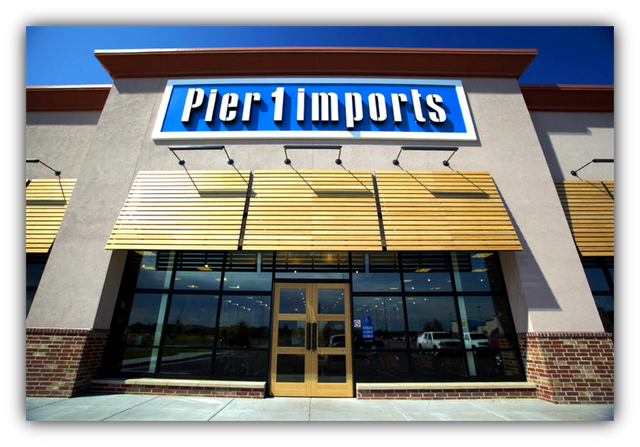
One of Lamboo’s most notable clients is Pier 1 Imports, who has refitted close to 100 of their stores’ entryways with Lamboo bamboo awnings and doors (through partnership with Kolbe). The company plans to update 800 of their 1200 stores with the product.

Benefits of Lamboo Bamboo

Bamboo is a rapidly renewable material, meaning that its harvest cycle is 10 years or less. In fact, Lamboo has hand-picked 6 of the 1600 species of bamboo, which it believes are the best for both high performance and sustainability. These species have harvest cycles of 6-8 years, and is considered to be a low embodied energy material with an excellent life cycle as compared to other materials such as plastics and fiberglass. In comparison to a traditional forest, a bamboo forest produces six times the amount of material per acre per year and sequesters 35% more carbon.

In comparison to traditional wood, bamboo is ten times stronger in tension and over three times stronger in general mechanical properties. However, it has the same thermal properties of wood, meaning that in glass applications, it is more energy efficient than aluminum, vinyl, plastics, steel, and other alternatives.

Additionally, the materials has low VOCs and formaldehyde, making it ideal for indoor air quality.
 
LEED Credit Overview

According to the LEED for New Construction 2009 rating system, Lamboo bamboo can contribute to the following credits:

Materials and Resources (MR) Credit 6, Rapidly Renewable Materials (1 point):

This credit requires that 2.5% of the total value of building materials are rapidly renewable, which means that they can be harvested in 10 years or less.

Indoor Environmental Quality (IEQ) Credit 4.4, Low-Emitting Materials - Composite Wood and Agrifiber Products (1 point):

This credit requires that composite wood products, agrifiber products, and laminating adhesives contain no added urea-formaldehyde.

Lamboo could also potentially contribute to the Innovation in Design category as an Environmentally Preferable Material and/or Life Cycle Assessment/Environmental Impact.

(Read more)

(Excerpt of article by Claire Moloney of Green-Buildings.com.


For questions regarding Lamboo, our products, or to schedule an interview please
visit our website at www.lamboo.us or contact us at info@lamboo.us 866-966-2999

"MAKING INNOVATIVE THINKING A STANDARD" - Lamboo Incorporated


Blog by: Dustin Dennison

Wednesday, June 6, 2012

Lamboo: Bamboo Made Better?

The idea behind engineered wood products (EWP) is to make wood stronger and more flexible in terms of design applications like long-spans and curved beams. Bamboo is already a highly regarded, sustainable wood species, and now one company is trying to make it better by turning the best kinds of bamboo into an EWP.


Made of thin layers of bamboo held together by adhesives, Lamboo is an engineered, high-performance bamboo product for exterior and interior applications such as beams, trusses, panels, awning systems and more. Choosing from 1,600 different species of bamboo, the company has isolated four with the strongest cellular structures to compose its Lamboo product, which is reported to be ten times stronger in tension, three times stronger mechanically, and twenty percent more stable in moisture and temperature changes compared to its wood counterparts.


And then there are the inherent advantages of bamboo itself, one of the fastest growing plants in the world. It’s an easily renewable resource and a building material that offers some of the highest strength and stability ratings. Bamboo has a warm and soft texture that has won many fans in the remodeling world. So the question is, can Lamboo improve a wood species that’s already excellent in terms of performance and sustainability? I’d like to know.

You can request a quote or order samples from the Lamboo website.

(Read more)

(Excerpt of article by Josh Englander of HGTV Remodels.

For questions regarding Lamboo or our products please visit our
website at www.lamboo.us or contact us at info@lamboo.us

"MAKING INNOVATIVE THINKING A STANDARD" - Lamboo Incorporated


Blog by: Dustin Dennison